Standard Storage Data Sheets
Schematics
Below you will see all of our standard Cylinders / Thermal Stores, if you require anything else, please give us a call.
Most Popular
- File:DS-6_OIL_WB_SOLAR_DATA_SHEET.PDF
- File:DS-14_OIL_WB_SOLAR_DATA_SHEET.PDF
- File:DS-14B_OIL_WB_SOLAR_BASIC_DATA_SHEET.PDF
All Standard Layouts

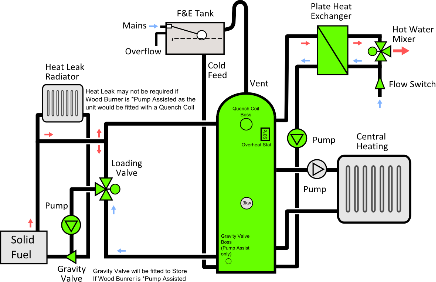
DS-1 Wood Pellet Buffer, Flowshare Plan

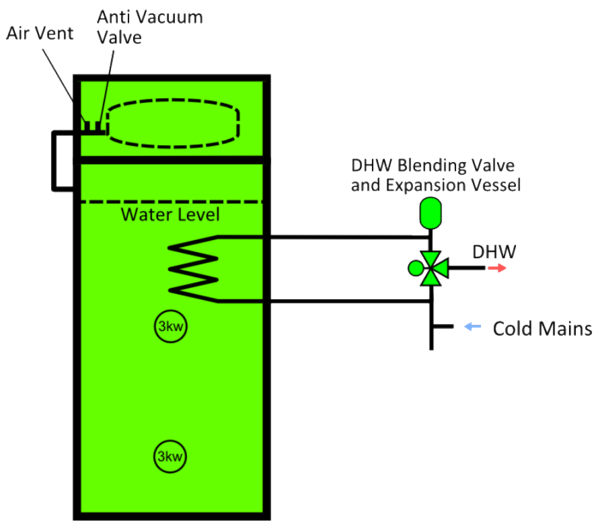
DS-2 Wood Pellet Buffer, DHW Coil

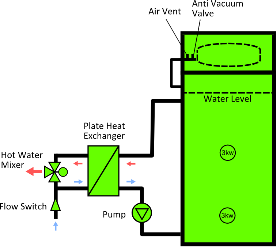
DS-3 Wood Pellet Buffer, DHW PHE

DS-4 Multifuel Wood Pellet, Gravity Wood, Solar

DS-5 Multifuel Wood Pellet, Solar

DS-6 Multifuel Open Vented Boiler, Gravity Wood, Solar, DHW PHE

DS-7 Multifuel Gravity Wood, DHW PHE

DS-8 Multifuel Gravity Wood, Solar, DHW PHE

DS-9 Multifuel Wood Pellet, Gravity Wood, DHW PHE

DS-10 Multifuel Open Vented Boiler, Solar, DHW PHE

DS-11 Multifuel Open Vented Boiler, Gravity Wood, DHW PHE

DS-12 Wood Pellet Buffer, Solar, DHW Coil

DS-13 Wood Pellet Buffer, Gravity Wood, Solar, DHW PHE

DS-14 Open Vented Boiler, Gravity Wood, Solar, DHW PHE

DS-14B BASIC, Open Vented Boiler, Gravity Wood, Solar, DHW PHE
DS-15 Gravity Wood, DHW PHE

DS-16 Gravity Wood, Solar, DHW PHE

DS-17 Pellet Buffer, Gravity Wood, DHW PHE

DS-18 Open Vented Boiler, Pumped Wood, DHW PHE

DS-18 BASIC, Open Vented Boiler, Pumped Wood, DHW PHE

DS-19 PANDORA Electric, DHW PHE

DS-19 HWC, DHW Coil

DS-20 PANDORA Indirect, DHW PHE

DS-20-HWC PANDORA Indirect, DHW Coil

DS-21 PANDORA HB2000, Electric Heating and Hot Water, DHW PHE

DS-22 Amazon HXIN, Unvented Cylinder with Indirect PHE

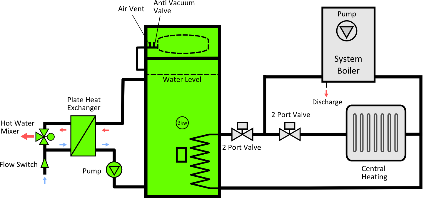
DS-23 System Boiler, Wood, Solar, DHW PHE


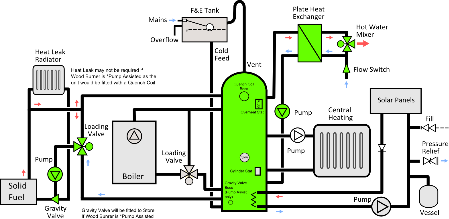
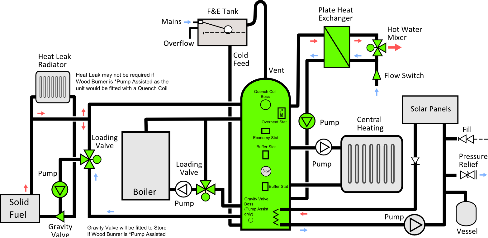
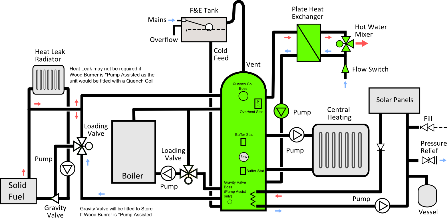




Data Sheets
DS-1 Wood Pellet Buffer, Flowshare Plan
DS-2 Wood Pellet Buffer, DHW Coil
DS-3 Wood Pellet Buffer, DHW PHE
DS-4 Multifuel Wood Pellet, Gravity Wood, Solar
DS-5 Multifuel Wood Pellet, Solar
DS-6 Multifuel Open Vented Boiler, Gravity Wood, Solar, DHW PHE
DS-7 Multifuel Gravity Wood, DHW PHE
DS-8 Multifuel Gravity Wood, Solar, DHW PHE
DS-9 Multifuel Wood Pellet, Gravity Wood, DHW PHE
DS-10 Multifuel Open Vented Boiler, Solar, DHW PHE
DS-11 Multifuel Open Vented Boiler, Gravity Wood, DHW PHE
DS-12 Wood Pellet Buffer, Solar, DHW Coil
DS-13 Multifuel Wood Pellet, Pumped Wood, Solar, DHW PHE
DS-14 Multifuel Open Vented Boiler, Pumped Wood, Solar, DHW PHE
DS-14B Basic Multifuel Open Vented Boiler, Pumped Wood, Solar, DHW PHE
DS-15 Multifuel Pumped Wood, DHW PHE
DS-16 Multifuel Pumped Wood, Solar, DHW PHE
DS-17 Multifuel Wood Pellet, Pumped Wood, DHW PHE
DS-18 Multifuel Open Vented Boiler, Pumped Wood, DHW PHE
DS-18B Basic Multifuel Open Vented Boiler, Pumped Wood, DHW PHE
DS-19 Pandora HEATBANK, Electric, DHW PHE
DS-19 HWC Pandora HEATBANK, Electric, DHW Coil
DS-20 Pandora HEATBANK, Indirect Boiler via Coil
DS-20-HWC Pandora HEATBANK, Indirect and DHW via Coils
DS-21 Pandora HEATBANK, Direct Heating Circuit
DS-22 Amazon Unvented, Indirect Boiler via PHE
DS-23 Multifuel, System / Combi Boiler via PHE, Pumped Wood, Solar, DHW PHE
Plate Heat Exchanger Versus Coil for DHW Performance
Plate heat exchangers (P.H.E’s) give a huge performance benefit to the Thermal Integration HEATBANK®. The following graph shows the output of a HEATBANK® compared to a well-known make of coil type thermal store.

The graph demonstrates two key differences between plate heat exchangers and coils and details the temperature of water provided over time, with taps running at 18 litres per minute (a good bath tap).
The first is how the output temperature from a coil type thermal store drops as the thermal store cools down. The performance of hot water coils is usually quoted for the initial draw off, when the store is at full temperature, and it is important to know that this is not the true picture.
At 18 litres per minute, the coil delivers approximately 90 litres before performance drops off.
By comparison, the Heat Bank draws water from the top of the store, returning it cold to the bottom, and hot water temperatures are maintained until nearly all the stored heat is utilised resulting in 200 litres of hot water from the same size 180 litre store.
The Heat Bank will generate hot water to taps in only a few minutes from cold start. A coil type store has to wait until the majority of the store is heated.
Plate heat exchangers have far more power to generate hot water. The standard exchanger on the HEATBANK® Xcel is capable of generating over 100kW of mains hot water, over 40 litres per minute, and at pressures up to 10 bar. In order to get anywhere near that level of performance, a coil would need to be so large that the cylinder itself would need reinforcing to carry the weight of it!
Another big disadvantage of coils is limescale. In hard water areas coils scale up rapidly, becoming unusable within a year in some instances. This is a result of the coil constantly sitting in hot water and the fact that the mains water inside the coil heats up to store temperatures. At these temperatures limescale rapidly deposits and if not serviced will result in the coil becoming unusable and the cylinder may have to be changed. On a HEATBANK® however, the heat exchanger sits externally to the store and is not submerged in hot water. It is still possible for a plate heat exchanger to scale up, but it is far more gradual and far easier to service.
- Plate heat exchangers can produce approximately twice as much hot water from the same size store fitted with a hot water coil.
- Plate heat exchangers can generate higher flow rates at higher pressures,
- Plate heat exchangers function to full performance with only small volumes of the store heated, allowing the use of an economy mode, and providing hot water within minutes of a cold start up.
- Coil type stores suffer badly from limescale depositing within the coil.
The following image sums up some key differences. The coil type store (on the left) stops working once the store has cooled a reasonable amount, and tap temperatures become luke warm. By comparison, the HEATBANK® system (on the right) will still drive full load at full temperature, and pulls far more heat from the stored water.

Pandora Vs Unvented
 | Pandora Vs Unvented Cylinder The Pro's and Con's of a HEATBANK® Pandora against an Unvented cylinder |
Plate Heat Exchanger Corrosion Resistance
The guide below is an attempt to give a picture of the corrosion resistance of stainless steels and brazing materials in tap water at room temperature. In the table a number of important chemical components are listed, however the actual corrosion is a very complex process influenced by many different components in combination. This table is therefore a considerable simplification and should not be overvalued!
|
| Influence of water composition on corrosion resistance |
